
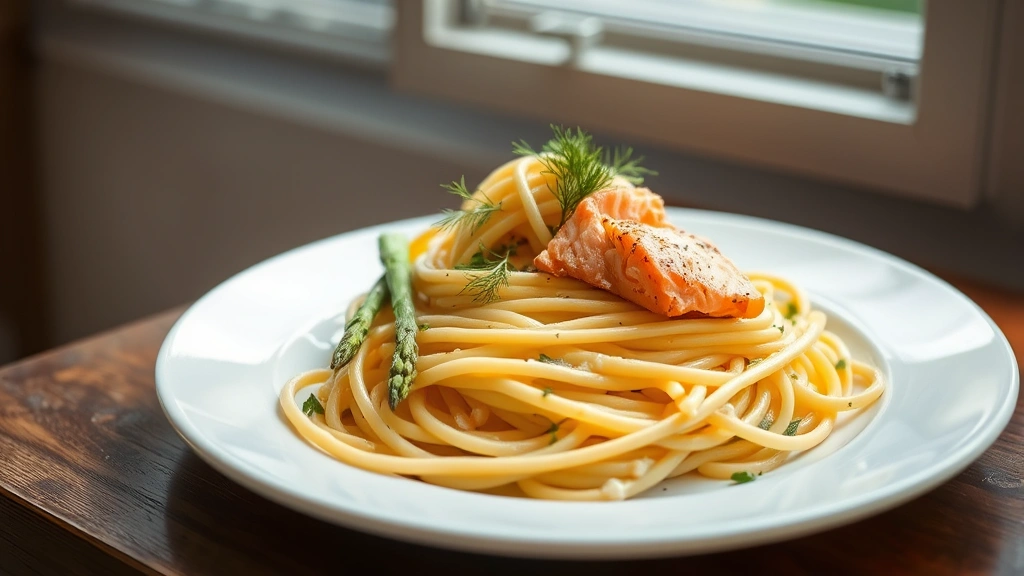
There’s nothing quite like the dilemma of leftover salmon – you know it’s delicious, nutritious, and too good to waste, but you’re not sure how to transform it into something that feels exciting rather than repetitive. Whether you have flaky baked salmon, smoky smoked salmon, or tender pan-seared fillets sitting in your refrigerator, this quick and easy leftover salmon recipe is about to become your new favorite way to use up those precious leftovers.
The beauty of cooking with leftover salmon is that you’re essentially working with a blank canvas. The protein is already cooked to perfection, which means you can focus on creating vibrant flavors and textures that make this dish feel entirely new. I absolutely love how versatile salmon is – it pairs beautifully with bright citrus, creamy dressings, crispy elements, and fresh vegetables. This recipe celebrates all of those qualities while keeping preparation time to an absolute minimum.
Today, I’m sharing my go-to method for creating a stunning salmon pasta that comes together in just 20 minutes. It’s elegant enough for a weeknight dinner with the family, yet impressive enough to serve to guests who have no idea you’re using leftovers. The combination of tender pasta, flaky salmon, fresh herbs, and a light lemon cream sauce creates something truly special. You can also check out my Best Hawaiian Macaroni Salad Recipe for another fabulous way to use leftover proteins.
What I love most about this approach is how forgiving it is. Don’t have exactly the ingredients I’m calling for? No problem! This recipe is designed to work with whatever you have on hand. Fresh dill can be swapped for fresh parsley, heavy cream can be replaced with Greek yogurt or cream cheese, and the vegetable additions are completely flexible. I’ve made this with asparagus, cherry tomatoes, peas, spinach, and even roasted red peppers, and every version has been absolutely delicious.
Before we dive into the recipe, let me share a few pro tips that will take your leftover salmon dish from good to genuinely restaurant-quality. First, make sure your salmon is at room temperature before adding it to the pan – this prevents it from drying out further. Second, resist the urge to overcook anything; since the salmon is already cooked, you’re just warming it through and melding flavors together. Third, taste as you go and adjust seasoning accordingly – the difference between a good dish and a great one often comes down to proper seasoning.
I’m also obsessed with how this recipe works as a jumping-off point for so many variations. Make it into a salmon salad by tossing everything with mixed greens instead of pasta. Transform it into a sophisticated appetizer by serving it on Softest Hawaiian Buns for gourmet sliders. Create a salmon bowl by serving it over rice with all your favorite toppings. The possibilities are truly endless, and that’s what makes cooking with leftovers so exciting.
For more inspiration on transforming proteins into showstopping dishes, you might enjoy checking out recipes like my Best Smoked Wings Recipe and Tasty Baked Turkey Wings Recipe, which both showcase similar techniques for elevating already-cooked proteins into brand new creations. There’s also so much you can learn from exploring Bon Appétit’s Creamy Lemon Pasta for additional inspiration on sauce-building techniques.
One of my favorite aspects of this recipe is how it celebrates the natural flavors of quality salmon without masking them with heavy sauces or complicated techniques. The lemon cream sauce is light and bright, allowing the salmon’s delicate flavor to shine through. Fresh herbs – whether dill, parsley, or chives – add aromatic notes that make this dish feel special. And the pasta provides the perfect vehicle for soaking up every bit of that gorgeous sauce.
If you’re concerned about sodium or dietary restrictions, this recipe is incredibly easy to adapt. Use whole wheat pasta for added fiber, substitute the cream with a plant-based alternative, or skip the pasta entirely and serve over vegetables or grains. The core technique – gently warming the salmon while building a flavorful sauce – remains the same regardless of what you’re serving it with.
I’d be remiss if I didn’t mention how this recipe aligns with my philosophy of reducing food waste while maintaining the joy of cooking. Using leftovers thoughtfully isn’t about settling for less; it’s about being creative and recognizing the potential in what you already have. Every time you transform last night’s salmon into tonight’s pasta, you’re not just saving money – you’re engaging in a form of culinary creativity that’s incredibly satisfying.
For additional sauce inspiration and technique, Serious Eats’ guide to pan-roasted salmon offers excellent insights into working with this beautiful fish. You might also appreciate New York Times’ Salmon Pasta recipe for another take on this classic combination.
The best part? You’ll have dinner on the table in about 20 minutes, with minimal cleanup and maximum satisfaction. Let’s get started!
Ingredients
- 8 oz pasta (fettuccine, penne, or your favorite shape)
- 1.5 cups flaked cooked leftover salmon
- 3 tablespoons butter
- 3 cloves garlic, minced
- 1 cup heavy cream (or half-and-half)
- 2 tablespoons fresh lemon juice
- 1 teaspoon lemon zest
- 1/2 cup pasta water (reserved)
- 1 cup fresh asparagus spears, cut into 2-inch pieces (or frozen peas)
- 1/4 cup fresh dill (or parsley), chopped
- Salt and freshly cracked black pepper to taste
- 1/4 cup grated Parmesan cheese
- Red pepper flakes for garnish (optional)
Instructions
- Bring a large pot of salted water to a rolling boil and add your pasta, cooking according to package directions until al dente. About two minutes before the pasta is finished, add your asparagus pieces to the pot. Reserve 1/2 cup of pasta water, then drain both pasta and asparagus in a colander.
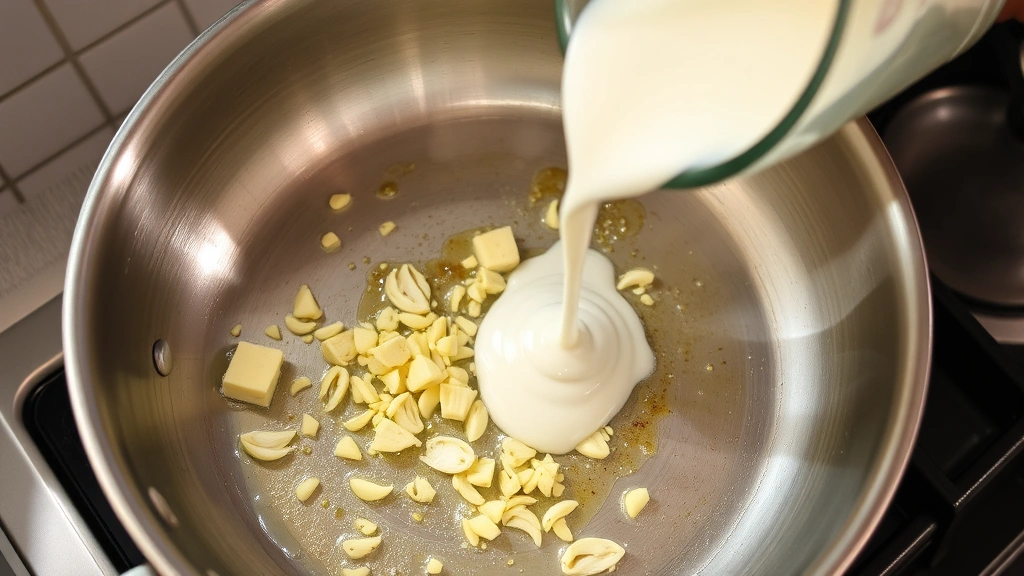
- While the pasta cooks, melt butter in a large skillet over medium heat. Add minced garlic and cook for about 30 seconds until fragrant, stirring constantly to prevent browning.
- Pour the heavy cream into the skillet with the garlic butter, stirring well to combine. Bring to a gentle simmer and let it cook for about 2 minutes, allowing the flavors to meld together.
- Stir in the fresh lemon juice and lemon zest, then taste and season with salt and freshly cracked black pepper. Remember that pasta water and Parmesan will add saltiness, so taste carefully.
- Gently fold the flaked leftover salmon into the cream sauce, stirring carefully to maintain the flakes and avoid breaking them apart. Let it warm through for about 2 minutes.
- Add the cooked pasta and asparagus to the skillet with the salmon cream sauce, tossing gently to combine everything. If the sauce seems too thick, add a splash of reserved pasta water a little at a time until you reach your desired consistency.
- Remove from heat and stir in the fresh dill and most of the Parmesan cheese, reserving some for garnish. Toss everything together one final time.
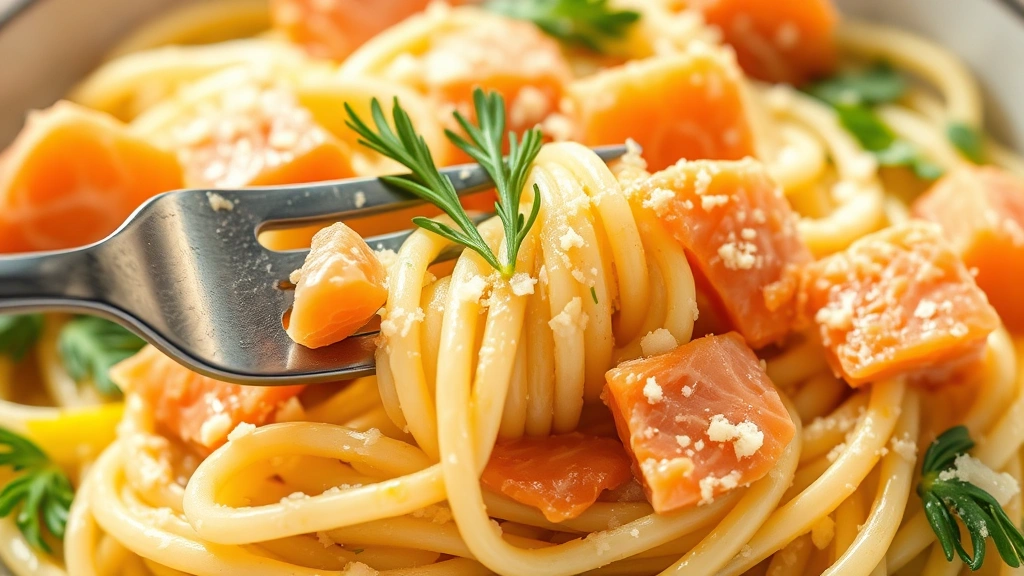
- Divide the salmon pasta among serving bowls and top with remaining Parmesan cheese, a sprinkle of red pepper flakes if desired, and a few more fresh dill leaves for a beautiful presentation. Serve immediately and enjoy!
Pro Tips
Pasta options are completely flexible – fettuccine, penne, linguine, and bow-tie pasta all work beautifully. You can even use whole wheat or gluten-free pasta depending on your preferences.
For the cream, heavy cream produces the richest sauce, but you can substitute with half-and-half for a lighter version, or even use a combination of Greek yogurt and cream cheese for a tangier profile.
Vegetable additions depend on what you have available. Cherry tomatoes, spinach, roasted red peppers, sun-dried tomatoes, fresh peas, or broccoli florets all work wonderfully. You can add them raw if they’re delicate, or sauté them separately if they need cooking.
Fresh herbs are essential for brightness – dill is traditional with salmon, but parsley, chives, or tarragon create lovely variations. You can use about 1/4 cup fresh herbs total.
If you prefer a lighter sauce, reduce the cream to 3/4 cup and add an extra 1/4 cup pasta water. This creates a more delicate sauce that’s less heavy but still luxurious.
For a Mediterranean twist, add sun-dried tomatoes, pine nuts, and fresh basil instead of dill. For an Asian-inspired version, use sesame oil instead of butter, add soy sauce and ginger, and substitute dill with cilantro.
STORAGE AND MAKE-AHEAD TIPS
This dish is best enjoyed immediately after cooking for optimal texture. However, leftovers can be refrigerated in an airtight container for up to 2 days.
When reheating, place in a skillet over low heat with a splash of cream or pasta water to restore the sauce’s silky texture.
You can prep all your ingredients ahead of time – mince the garlic, zest the lemon, chop the herbs, and cut the vegetables. Store in separate containers so you’re ready to cook whenever you need dinner.
Don’t cook the pasta ahead of time if you can avoid it, as it continues to absorb moisture and become soft. Cook it just before serving for the best texture.
TROUBLESHOOTING TIPS
If your sauce breaks or becomes grainy, remove it from heat and whisk in a splash of cold cream to bring it back together.
If the sauce is too thick, add pasta water one tablespoon at a time. If it’s too thin, mix a teaspoon of cornstarch with cold water and whisk it into the sauce while cooking.
If your salmon seems dry, don’t panic – the cream sauce will help restore moisture. Just be gentle when stirring so you don’t break up the delicate flakes into tiny pieces.
If you don’t have fresh lemon, bottled lemon juice works in a pinch, though fresh always produces superior flavor.