

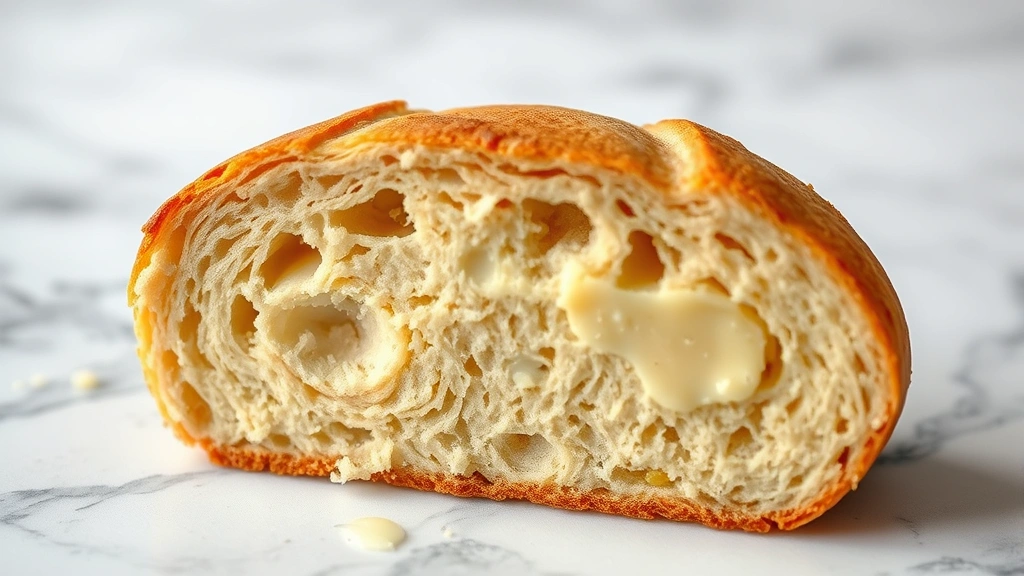
Cassava flour bread is a game-changer for anyone looking for a gluten-free alternative that actually tastes amazing. This quick and easy recipe produces a soft, fluffy loaf with a beautiful golden crust that rivals traditional wheat bread. Cassava flour, made from the root vegetable yuca, creates an incredibly tender crumb and has a mild, slightly sweet flavor that pairs perfectly with both sweet and savory toppings.
What I love most about this bread is how forgiving it is. Unlike some gluten-free options that require multiple specialty ingredients and complicated techniques, this recipe keeps things simple with pantry staples you probably already have on hand. The dough comes together in minutes, and you’ll have fresh-baked bread ready in under two hours. Whether you’re baking for dietary restrictions or just want to explore new flour options, this cassava flour bread deserves a permanent spot in your rotation.
Cassava flour has become increasingly popular in paleo and gluten-free communities, and for good reason. It’s nutrient-dense, contains resistant starch, and creates a texture that’s surprisingly similar to traditional wheat bread. This recipe uses a simple wet dough method that produces a tender crumb without the gumminess you sometimes get with other gluten-free flours. The combination of cassava flour with tapioca starch is key—it creates the perfect balance of structure and lightness.
I’ve tested this recipe dozens of times, tweaking everything from hydration levels to fermentation times, and this version consistently delivers beautiful results. The bread stays fresh for three days when stored properly, and it freezes beautifully for up to three months. You can slice it for toast, use it for sandwiches, or simply enjoy it warm from the oven with butter and honey. Once you master this basic recipe, you’ll find yourself experimenting with mix-ins like herbs, cheese, seeds, and everything bagel seasoning.
The beauty of cassava flour bread is that it bridges the gap between traditional baking and alternative grain baking. It’s not trying to be something it’s not—it’s a delicious bread that happens to be gluten-free, dairy-free, and grain-free. Your family and friends won’t notice it’s anything different; they’ll just enjoy delicious, homemade bread. This is the kind of recipe that makes you feel like a professional baker, even though the process is incredibly straightforward.
For more information on gluten-free baking techniques, check out our complete guide. You might also enjoy our collection of alternative flour recipes or learn more about bread baking fundamentals. For scientific insights into how cassava flour works in baking, Serious Eats has an excellent breakdown. You can also explore Bon Appétit’s gluten-free bread options and The New York Times’ comprehensive gluten-free bread guide.
Ingredients
- 2 cups cassava flour
- 1/2 cup tapioca starch
- 2 tablespoons psyllium husk powder
- 1.5 teaspoons salt
- 1 tablespoon sugar or honey
- 1 tablespoon instant yeast
- 1.25 cups warm water (110°F)
- 2 tablespoons olive oil or melted butter
- 1 egg white (for egg wash)
- 1 tablespoon water (for egg wash)
- Sesame seeds or flax seeds for topping (optional)

Instructions
- Preheat your oven to 400°F and line a baking sheet with parchment paper or prepare a loaf pan by lightly greasing it with oil or cooking spray.
- In a large mixing bowl, whisk together cassava flour, tapioca starch, psyllium husk powder, salt, and sugar until well combined and no lumps remain—this ensures even distribution of all dry ingredients.
- In a separate small bowl, combine warm water with instant yeast and let it sit for 2-3 minutes until foamy; this activates the yeast and ensures proper rise.
- Pour the yeast mixture and olive oil into the dry ingredients and mix with a sturdy wooden spoon or electric mixer fitted with the paddle attachment for 2-3 minutes until a thick, sticky dough forms.
- The dough will be much wetter than traditional bread dough, but this is completely normal and necessary for achieving that tender, fluffy crumb—do not add additional flour.
- Let the dough rest in the bowl for 10 minutes to allow the psyllium husk and cassava flour to fully hydrate and become slightly less sticky.
- Transfer the dough to your prepared baking sheet and shape it into a round loaf about 6 inches in diameter, or transfer to a loaf pan and shape accordingly—wet hands make this easier.
- Cover the shaped dough loosely with plastic wrap or a kitchen towel and let it rise in a warm place for 45-60 minutes until it’s noticeably puffed and increased in size by about 25-30 percent.
- While dough rises, prepare your egg wash by whisking together the egg white and 1 tablespoon water in a small bowl.
- Once risen, gently brush the entire surface of the dough with egg wash using a pastry brush, making sure to coat evenly but not too heavily.
- Sprinkle your choice of seeds (sesame, flax, poppy seeds, or everything bagel seasoning) over the egg wash if desired for extra texture and flavor.
- Place in preheated 400°F oven and bake for 35-40 minutes until the crust is deep golden brown and the loaf sounds hollow when tapped on the bottom.
- Remove from oven and let cool on a wire rack for at least 15-20 minutes before slicing—this allows the interior to set properly and makes slicing easier.
- Store cooled bread in an airtight container at room temperature for up to 3 days, or slice and freeze in freezer bags for up to 3 months.
Pro Tips
- Cassava flour can be found in most grocery stores in the baking or gluten-free section, or ordered online from specialty retailers; quality varies by brand, so I recommend Otto’s or Terrasoul
- Psyllium husk powder is essential for this recipe as it provides structure and helps bind the dough—it’s not optional, as it creates the characteristic texture of this bread
- Water temperature is crucial for yeast activation; use a thermometer to ensure it’s between 105-115°F—too hot kills the yeast, too cold slows fermentation
- The dough will be sticky and wet; this is normal and necessary for the final texture—resist the urge to add more flour, which will result in a dense, dry loaf
- For best results, use instant yeast (also called bread machine yeast) rather than active dry yeast, as it distributes more evenly throughout the dough
- If you don’t have psyllium husk powder, you can substitute with 2 tablespoons of ground flaxseed, though the texture will be slightly different
- This bread is best served warm or at room temperature; toasting day-old slices brings back softness and improves texture
- For a softer crust, brush with melted butter immediately after removing from oven; for a crispier crust, skip this step
- Rising time varies based on room temperature; in a cool kitchen, may take up to 75 minutes; in a warm kitchen, may be ready in 40 minutes
- This recipe is naturally gluten-free, dairy-free, and grain-free, making it suitable for various dietary needs and preferences
- Mix-in options: try adding 1/2 cup shredded cheese, 2 tablespoons fresh herbs, 1/4 cup seeds, or 1/2 teaspoon garlic powder before shaping
- For a sweeter bread, increase sugar to 2 tablespoons and add 1 teaspoon vanilla extract plus 1/2 teaspoon cinnamon to dry ingredients
- Troubleshooting: if bread is dense, you may have added too much flour during mixing or didn’t let it rise long enough; if it’s too wet inside, bake an additional 5 minutes
- This bread toasts beautifully and holds up well to both sweet toppings (honey, jam, almond butter) and savory options (avocado, cream cheese, smoked salmon)
- Make ahead tip: prepare the dough up to 4 hours in advance, cover, and refrigerate; let come to room temperature before final rise and baking