
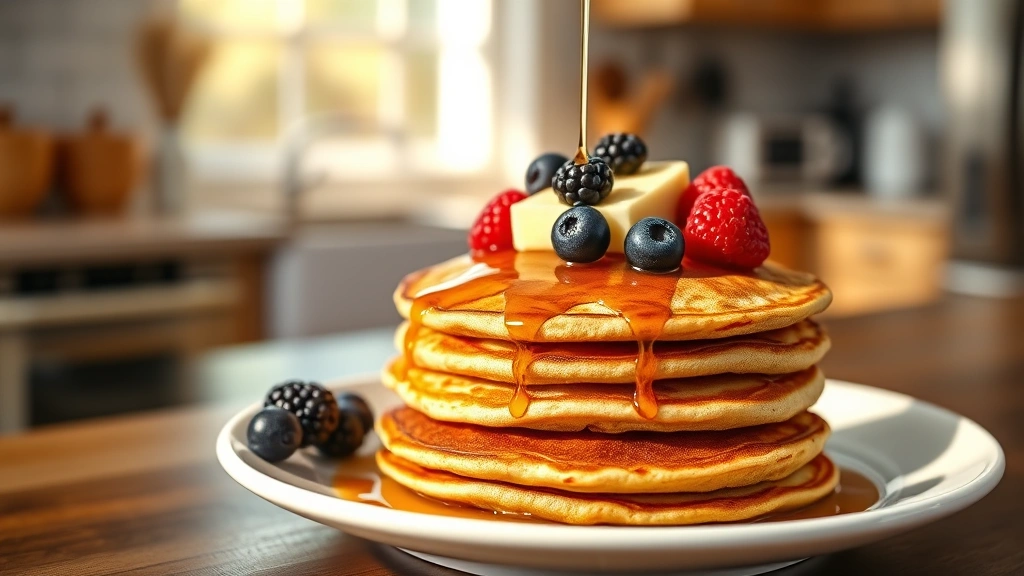
Buckwheat flour pancakes are a delightful departure from traditional wheat-based breakfast fare, offering a nutty, earthy flavor that transforms your morning meal into something truly special. Despite its name, buckwheat contains no wheat at all—it’s actually a gluten-free pseudocereal that’s been enjoyed for centuries across Eastern Europe, Russia, and Asia. These pancakes are wonderfully fluffy, with a subtle complexity that pairs beautifully with both sweet and savory toppings.
What makes buckwheat flour pancakes so appealing is their nutritional profile. They’re packed with resistant starch, fiber, and essential minerals like manganese and magnesium, making them a more wholesome choice than conventional pancakes. The nutty undertones create a sophisticated flavor that doesn’t require heavy sweetening, allowing you to appreciate the grain’s natural character. Whether you’re exploring gluten-free baking options or simply looking to expand your breakfast repertoire, these pancakes deliver impressive results with minimal effort.
I first discovered buckwheat pancakes during a cooking class focused on international breakfast traditions, and I’ve been hooked ever since. The beauty of this recipe lies in its simplicity—you likely have most ingredients in your pantry already. The batter comes together in minutes, and the pancakes cook quickly to golden perfection. What surprised me most was how these pancakes maintain their texture beautifully, staying fluffy even as they cool, which means you can actually enjoy your entire stack without the first pancakes becoming disappointing.
Buckwheat flour works wonderfully in whole grain recipes, and this pancake recipe is no exception. The key to success is understanding that buckwheat flour behaves slightly differently than all-purpose flour—it absorbs more liquid and benefits from a bit more leavening agent. I’ve refined this recipe through countless breakfast experiments to strike the perfect balance between structure and fluffiness. The result is pancakes with a tender crumb, crispy exterior, and that signature buckwheat nuttiness that makes them impossible to stop eating.
For an in-depth exploration of buckwheat’s versatility, check out Serious Eats’ comprehensive buckwheat guide. If you’re interested in the science behind pancake leavening, Bon Appétit’s pancake techniques offer valuable insights. For more easy breakfast recipes, I have plenty of other morning favorites. You might also enjoy exploring New York Times’ buckwheat crepes for a different take on this wonderful grain.
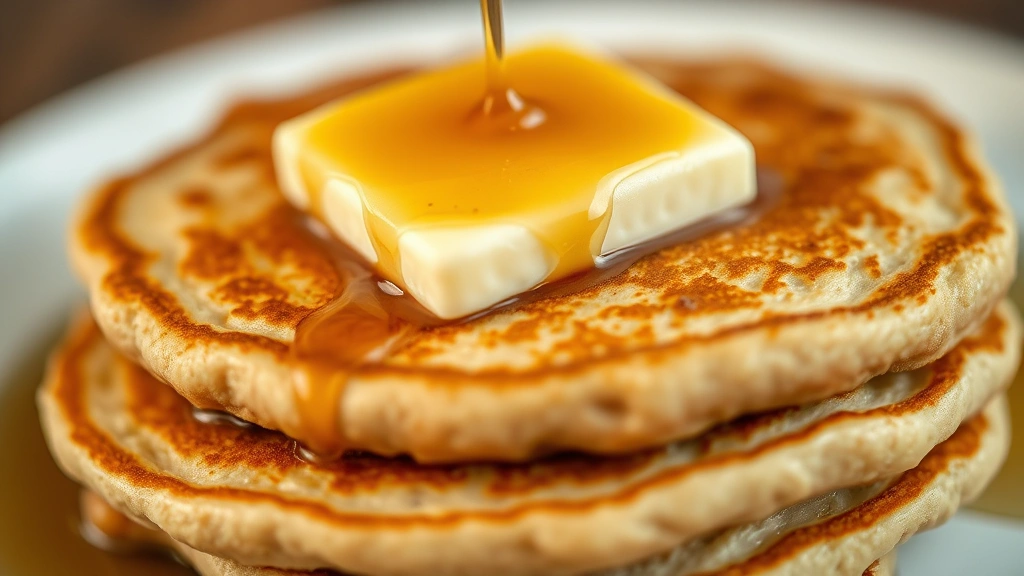
These pancakes are incredibly versatile. Serve them with classic maple syrup and butter, or get creative with berry compotes, Greek yogurt, honey, and toasted nuts. They’re equally delicious with a fried egg and fresh herbs for a savory breakfast. The nuttiness of buckwheat pairs exceptionally well with cinnamon, nutmeg, cardamom, and even a hint of vanilla. I often make a double batch and freeze the extras—they reheat beautifully in a toaster oven, making weekday breakfasts feel effortless.
Ingredients
- 1 cup buckwheat flour
- 2 tablespoons granulated sugar
- 2 teaspoons baking powder
- 1 teaspoon salt
- 2 large eggs
- 1 cup whole milk (or buttermilk for tangier flavor)
- 2 tablespoons melted butter, plus more for serving
- 1 teaspoon vanilla extract
- Butter or oil for greasing the griddle or skillet

Instructions
- In a large mixing bowl, whisk together the buckwheat flour, granulated sugar, baking powder, and salt. Make sure to break up any lumps in the buckwheat flour, as it can clump slightly.
- In a separate medium bowl, whisk together the eggs, milk, melted butter, and vanilla extract until well combined and smooth.
- Create a well in the center of the dry ingredients and pour the wet ingredients into it. Stir gently with a spatula or wooden spoon until just combined—the batter should be slightly lumpy. Do not overmix, as this will result in dense pancakes.
- Let the batter rest for 2-3 minutes. This allows the buckwheat flour to fully hydrate and helps the baking powder activate, resulting in fluffier pancakes.
- Heat a griddle or large skillet over medium-high heat. Lightly butter or oil the surface to prevent sticking.
- Once the griddle is hot, test it by sprinkling a few drops of water on the surface—they should sizzle immediately and evaporate within 1-2 seconds. This indicates the correct temperature.
- Pour approximately 1/4 cup of batter onto the griddle for each pancake, spacing them about 2 inches apart to allow for spreading.
- Cook for 2-3 minutes, until the edges look set and the surface begins to show small bubbles. The bottom should be golden brown.
- Carefully flip each pancake using a thin spatula, working quickly but gently to avoid deflating them.
- Cook the second side for 1-2 minutes, until golden brown and the pancake springs back when lightly pressed with your finger.
- Transfer the finished pancakes to a warm plate and cover loosely with foil to keep them warm while you cook the remaining batter.
- Serve the pancakes immediately while they’re still warm, topped with your choice of maple syrup, fresh berries, Greek yogurt, honey, chopped nuts, or savory accompaniments like fried eggs and fresh herbs.
Pro Tips
- Buckwheat flour has a distinctly different texture and absorption rate compared to wheat flour, so don’t substitute without adjusting the liquid ratio. If you must substitute, use slightly less buckwheat flour or add an extra tablespoon of milk.
- For extra fluffy pancakes, separate the eggs and fold in the whipped egg whites at the very end of mixing, just before cooking. This adds extra air and creates an almost cloud-like texture.
- If you find the batter too thick after resting, add milk one tablespoon at a time until you reach the desired consistency. The batter should pour easily but not be too thin or watery.
- Buckwheat pancakes have a slightly earthier, nuttier taste than traditional pancakes. This is completely normal and one of their best qualities. If you prefer a milder flavor, you can use half buckwheat flour and half all-purpose flour.
- These pancakes freeze beautifully for up to three months. Place cooled pancakes in a freezer-safe container with parchment paper between each layer. Reheat in a toaster oven at 350°F for about 5-7 minutes, or pop them in a toaster.
- For a tangier flavor profile, substitute buttermilk for regular milk and reduce the baking powder to 1½ teaspoons. The acidity in buttermilk reacts with baking soda to create additional lift.
- Add ½ teaspoon of ground cinnamon, nutmeg, or cardamom to the dry ingredients for warm spice notes that complement buckwheat beautifully.
- To make these pancakes more substantial, add ¼ cup of chopped nuts (pecans or walnuts work wonderfully), fresh blueberries, or chocolate chips to the batter just before cooking.
- If your pancakes are turning out too dense, you may be overmixing the batter. Remember: lumps are your friend when making pancakes. Overmixing develops gluten and leads to tough, rubbery pancakes.
- For savory buckwheat pancakes, omit the sugar, add a pinch of black pepper and fresh herbs like chives or dill, and serve with smoked salmon, crème fraîche, or a fried egg.
- The batter is best used immediately, but can be refrigerated for up to 4 hours. If refrigerated, let it come to room temperature for about 10 minutes before cooking, as cold batter won’t cook evenly.