
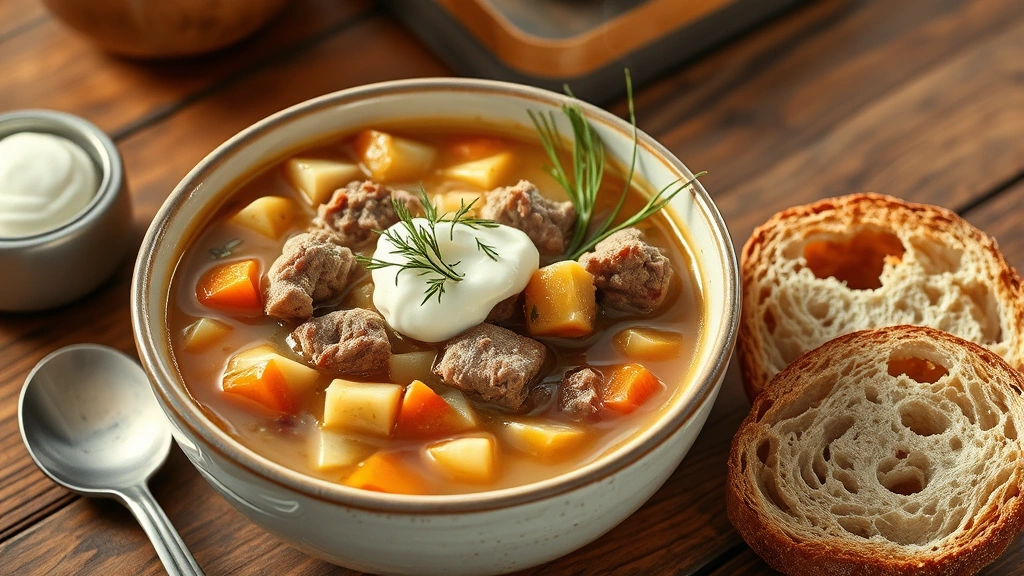
Sauerkraut soup is a classic, comforting dish that brings together tangy fermented cabbage with hearty vegetables and tender meat for a deeply satisfying meal. This quick and simple recipe celebrates the beauty of sauerkraut—a probiotic powerhouse that adds complex flavor without requiring hours of preparation. Whether you’re looking for a weeknight soup or a dish to warm you on chilly evenings, this versatile recipe delivers restaurant-quality results in under an hour.
The magic of sauerkraut soup lies in its simplicity and the umami-rich depth it achieves through minimal ingredients. Unlike heavy cream-based soups, this version relies on the natural tanginess of quality sauerkraut, the richness of bone broth, and aromatic vegetables to create layers of flavor. You can customize this recipe based on what you have on hand—add extra vegetables, swap the protein, or adjust the seasoning to suit your palate.
I first fell in love with sauerkraut soup during a cooking class focused on fermented foods, where the instructor emphasized how sauerkraut transforms simple ingredients into something extraordinary. Since then, I’ve made this soup countless times, always tweaking it slightly based on seasonal ingredients and what’s in my pantry. It’s become a staple in our home, especially during fall and winter months.
One of my favorite aspects of this recipe is how forgiving it is. The cooking method is straightforward, the ingredient list is minimal, and the results are consistently delicious. Whether you’re a beginner cook or someone looking for an easy weeknight dinner, this sauerkraut soup will not disappoint. Plus, it reheats beautifully and tastes even better the next day as the flavors continue to meld and develop.
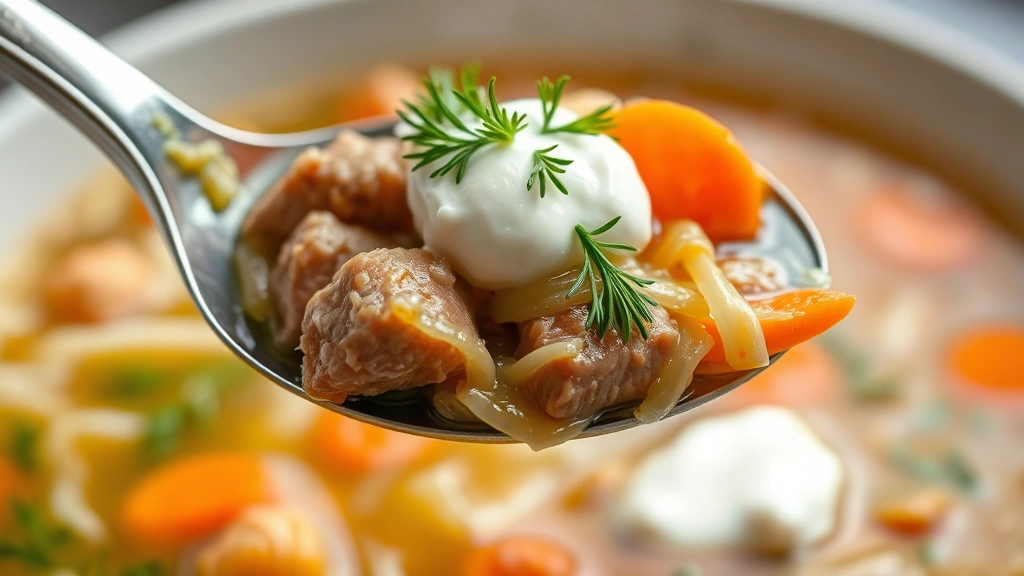
Serving this soup is an opportunity to get creative with toppings. A dollop of sour cream, fresh dill, crispy bacon bits, or toasted rye bread croutons all make wonderful additions. For those following specific diets, this recipe is naturally keto-friendly, paleo-adaptable, and can easily be made vegetarian by omitting the meat and using vegetable broth instead.
This recipe serves 6-8 people generously, making it perfect for meal prep or feeding a crowd. The soup keeps well in the refrigerator for up to five days and also freezes beautifully for up to three months. I often double this recipe on weekends, freeze half, and have easy lunches ready for busy weeks ahead.
If you’re new to cooking with sauerkraut, start with a quality brand—look for unpasteurized sauerkraut in the refrigerated section of your grocery store for maximum probiotic benefits. The difference between jarred and fresh sauerkraut is noticeable, and investing in good-quality ingredients will elevate your final dish. For more inspiration on cabbage-based soups, check out our collection of hearty winter recipes.
The cooking technique is simple: sauté aromatics, add your protein, layer in the sauerkraut and broth, and let everything simmer together until the flavors marry beautifully. This low-and-slow approach ensures tender meat and perfectly balanced flavors. No fancy techniques or expensive equipment required—just a good heavy-bottomed pot and patience.
For those interested in expanding their soup repertoire, sauerkraut soup is an excellent addition. It pairs well with crusty bread, pairs beautifully with a crisp white wine, and makes an impressive dish to serve to guests who appreciate bold, authentic flavors. The acidity from the sauerkraut cuts through rich meats beautifully, making it a naturally balanced and satisfying one-pot meal.
I’ve also included variations and tips throughout the recipe to help you adapt it to your needs. Whether you prefer a brothier consistency or a heartier, more stew-like texture, this recipe accommodates both preferences. The beauty of homemade soup is that you control every element—the sodium level, the intensity of flavors, and the final texture.
For additional soup inspiration and cooking techniques, I recommend exploring Serious Eats’ soup collection, which offers excellent guidance on building flavor and perfecting consistency. You might also enjoy Bon Appétit’s take on cabbage soups, which provides creative variations and plating ideas.
Ultimately, this sauerkraut soup recipe represents everything I love about cooking: using simple, quality ingredients to create something nourishing and absolutely delicious. It’s comfort food at its finest, made with minimal fuss but maximum flavor. Once you try this recipe, it will undoubtedly become a regular rotation in your home cooking.
Ingredients
- 3 tablespoons unsalted butter or olive oil
- 1 large yellow onion, diced
- 3 medium carrots, cut into 1/2-inch rounds
- 3 celery stalks, chopped
- 4 cloves garlic, minced
- 1.5 pounds beef chuck or pork shoulder, cut into 1-inch cubes
- 1 teaspoon kosher salt (plus more to taste)
- 1/2 teaspoon freshly ground black pepper
- 2 tablespoons tomato paste
- 4 cups quality sauerkraut, drained (about 24 ounces)
- 6 cups beef broth or bone broth
- 1 cup diced potatoes (optional but recommended)
- 2 bay leaves
- 1 tablespoon caraway seeds (optional but traditional)
- 2 tablespoons apple cider vinegar or white wine vinegar
- 1 teaspoon dried thyme
- 1/2 teaspoon smoked paprika
- Sour cream for serving
- Fresh dill for garnish
- Crusty rye or sourdough bread for serving
Instructions
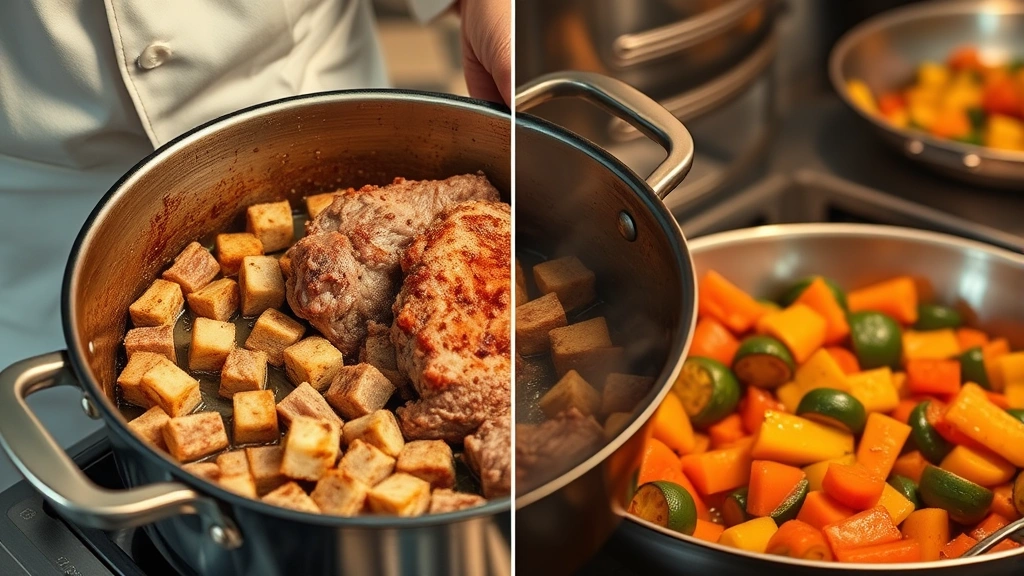
- Pat the beef dry with paper towels and season generously with salt and pepper on all sides. This helps achieve better browning and develops deeper flavor.
- Heat butter or oil in a large heavy-bottomed pot or Dutch oven over medium-high heat until shimmering but not smoking.
- Working in batches to avoid overcrowding, brown the meat on all sides, approximately 3-4 minutes per batch. Transfer browned meat to a clean plate and set aside.
- Reduce heat to medium and add diced onion, carrots, and celery to the pot. Sauté for 5-7 minutes, stirring occasionally, until the vegetables begin to soften and the onion becomes translucent.
- Add minced garlic and sauté for an additional 1-2 minutes until fragrant, being careful not to burn the garlic.
- Stir in tomato paste and cook for 2-3 minutes, stirring constantly to combine with the vegetables and allow it to caramelize slightly.
- Add the smoked paprika and dried thyme, stirring to combine and allowing the spices to bloom in the heat for about 30 seconds.
- Return the browned meat to the pot along with any accumulated juices from the plate.
- Add the drained sauerkraut, beef broth, bay leaves, and caraway seeds (if using). Stir well to combine all ingredients.
- Increase heat to bring the soup to a gentle boil, then reduce heat to low and simmer uncovered for 25-30 minutes.
- If using potatoes, add them now and continue simmering for an additional 10-15 minutes until both the meat is tender and potatoes are cooked through.
If not using potatoes, simply simmer the soup for the full 25-30 minutes until the meat is fork-tender.
- Stir in apple cider vinegar and taste the soup carefully, adjusting seasoning with additional salt and pepper as needed.
- Remove bay leaves before serving.
- Ladle soup into bowls and top with a generous dollop of sour cream, fresh dill, and serve alongside crusty bread.
- Store leftovers in an airtight container in the refrigerator for up to 5 days, or freeze for up to 3 months. Reheat gently on the stovetop over low heat.
Pro Tips
- **Sauerkraut Selection**: Use unpasteurized sauerkraut found in the refrigerated section for maximum probiotic benefits and superior flavor. Canned sauerkraut from the shelf-stable section works in a pinch but lacks the same depth of flavor and health benefits.
- **Meat Options**: Beef chuck, pork shoulder, or even lamb work beautifully in this recipe. Chicken breasts can be substituted for a lighter version—reduce cooking time to 15-20 minutes. For a vegetarian version, omit the meat entirely and use vegetable broth, adding extra potatoes or mushrooms for heartiness.
- **Caraway Seeds**: These traditional seeds add an authentic Eastern European flavor profile. If you dislike caraway, simply omit them—the soup is delicious either way. Some prefer to toast the seeds briefly before adding for intensified flavor.
- **Potato Variations**: Russet potatoes are traditional, but Yukon Gold potatoes add creaminess without addition of dairy. Red potatoes hold their shape better if you prefer a chunkier consistency.
- **Broth Matters**: Use homemade bone broth if available for superior depth of flavor, but quality store-bought broth works well too. Avoid low-sodium broth as sauerkraut adds its own saltiness.
- **Make-Ahead Instructions**: Prepare all vegetables the night before and store in separate containers. Brown the meat and sauté vegetables in the morning, then refrigerate. Add broth and sauerkraut just before serving for maximum flavor freshness.
- **Freezing Tips**: This soup freezes beautifully for up to three months. Freeze in individual portions for easy weeknight meals, or in larger containers for family dinners. Thaw overnight in the refrigerator and reheat gently on the stovetop.
- **Serving Suggestions**: Serve with rye bread, pumpernickel, or sourdough for authentic Eastern European presentation. Top with sour cream, fresh dill, crispy bacon bits, or caramelized onions. A side salad with vinaigrette provides a refreshing contrast to the soup’s richness.
- **Wine Pairing**: This soup pairs beautifully with Riesling, Alsatian white wines, or light lagers. The acidity and slight sweetness complement the tangy sauerkraut perfectly.
- **Dietary Considerations**: This recipe is naturally keto-friendly when omitting potatoes, paleo-adaptable, gluten-free, and easily made whole30-compliant. For dairy-free serving, substitute sour cream with coconut cream or omit entirely.
- **Flavor Development**: This soup tastes even better the next day as flavors continue to meld. Make it a day ahead, refrigerate, and reheat gently before serving for maximum depth.
- **Spice Adjustments**: For those sensitive to tanginess, rinse the sauerkraut before adding. For deeper flavor, increase caraway seeds to 1.5 tablespoons. Add a pinch of cayenne pepper or hot sauce for subtle heat.
Pingback: How to make the Best Montreal Steak Seasoning Recipe! – Simple Recipe Finder